





TV-PG

S1 • E1
The rebirth of Germany and growth in power of the Nazi Party leading up to the outbreak of war.
S1 • E2
The invasions of Poland, the Winter War, the sinking of the Graf Spee, the "phony war" and Norwegian Campaign, and the elevation of Winston Churchill to Prime Minister.

S1 • E3
French politics, the Maginot Line, the Saar Offensive, Blitzkrieg warfare and the Nazi invasion of France and the Low Countries.
S1 • E4
The Battle of Britain, defeats in Greece and Crete, Tobruk and life in Britain between the evacuation at Dunkirk and Operation Barbarossa.
S1 • E5
After dominating southeastern Europe through force or intrigue, Germany begins Operation Barbarossa, the invasion of the Soviet Union.

S1 • E6
The rise of the Japanese Empire, the Sino-Japanese War, the Soviet-Japanese border conflicts, Pearl Harbor, and the early Japanese successes in the Battle of Malaya and Battle of Singapore.
S1 • E7
The opposition to the United States' entry into the war, Lend Lease, U-boat attacks on Atlantic convoys and American responses, mobilization of America after Pearl Harbor, loss of the Philippines, Doolittle Raid, Midway and Guadalcanal.

S1 • E8
The desert war, starting with Italy's invasion of Egypt and the attacks and counterattacks between Germany and Italy and the Commonwealth forces, the Axis defeat at El Alamein.

S1 • E9
The mid-war German situation in Southern Russia resulting in the German defeat at the Battle of Stalingrad.

S1 • E10
The submarine war emphasizing the North Atlantic. Tracks the development of the convoy system and German submarine strategy.

S1 • E11
The rise of the Red Army, mobilization of Soviet production, the Siege of Leningrad, the Soviet partisans, and the Battle of Kursk.
S1 • E12
The development of British and American strategic bombing.
S1 • E13
The difficulties of the Italian Campaign beginning with Operation Torch in North Africa and the invasion of Sicily. Salerno, Anzio, Cassino, and the capture of Rome.

S1 • E14
The jungle war in Burma and India--what it "lacked in scale was made up in savagery."

S1 • E15
Life and politics in Britain from the post-Battle of Britain period to the first V-1 attacks.

S1 • E16
Changes in German society as the fortunes of war are reversed. Censorship and popular entertainment, German industry, recruitment of female, foreign and slave labor, Allied bombing, German dissent, and the mobilization of the Volkssturm.

S1 • E17
Operation Overlord--starting with the failed Dieppe Raid--followed by battles in the Bocage, the Allied breakout, and Falaise.
S1 • E18
Life in the Netherlands under German occupation--when citizens chose to resist, collaborate, or remain passive.

S1 • E19
Operation Dragoon, the liberation of Paris, the Allied occupation of France, and the failure of Operation Market Garden. The Warsaw Uprising, the battle of the Bulge, and the crossing of the Rhine. The Romanian coup and the Soviet advance.
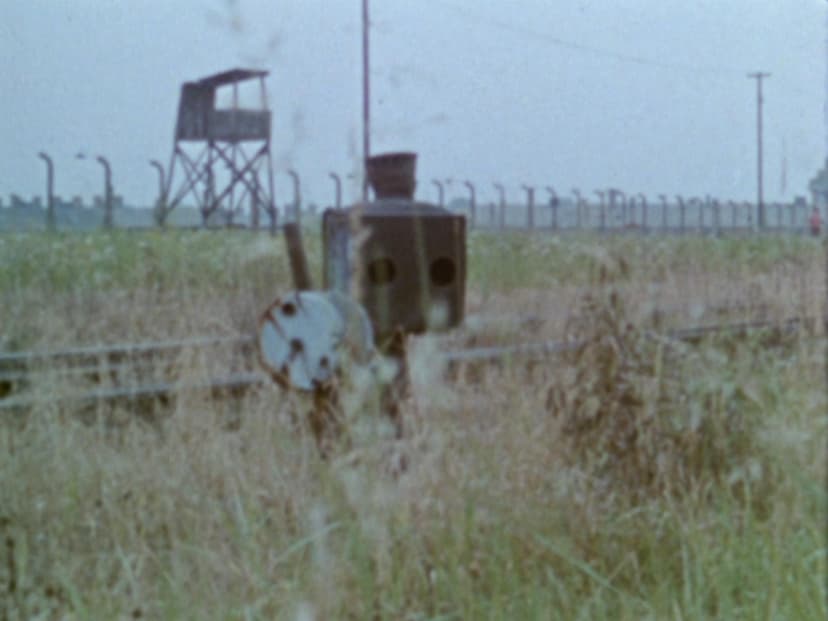
S1 • E20
Begins with the founding of the SS, follows the development of Nazi racial theory, and ends with the implementation of the Final Solution.

S1 • E21
The invasion of Germany by the Allies, the bombing of Dresden, and the events in the Führerbunker during the Battle of Berlin.
S1 • E22
Japanese society during wartime. How life transformed as the country suffered defeats, including the Doolittle raid, Midway, the death of Isoroku Yamamoto, the Battle of Saipan, Okinawa, and the relentless bombing of Japanese cities.
S1 • E23
The island hopping strategy of Admiral Nimitz and General MacArthur leads from one costly, battle after another. The Japanese fight fanatically as the war gets ever closer to home, but Americans finally use their newest weapon, the A-bomb.

S1 • E24
The atomic bomb, the ascendancy of President Harry Truman, growing splits among the Allies with Joseph Stalin, the bombings of Hiroshima and Nagasaki, and the Soviet invasion of Manchuria, leading to the surrender of Japan.
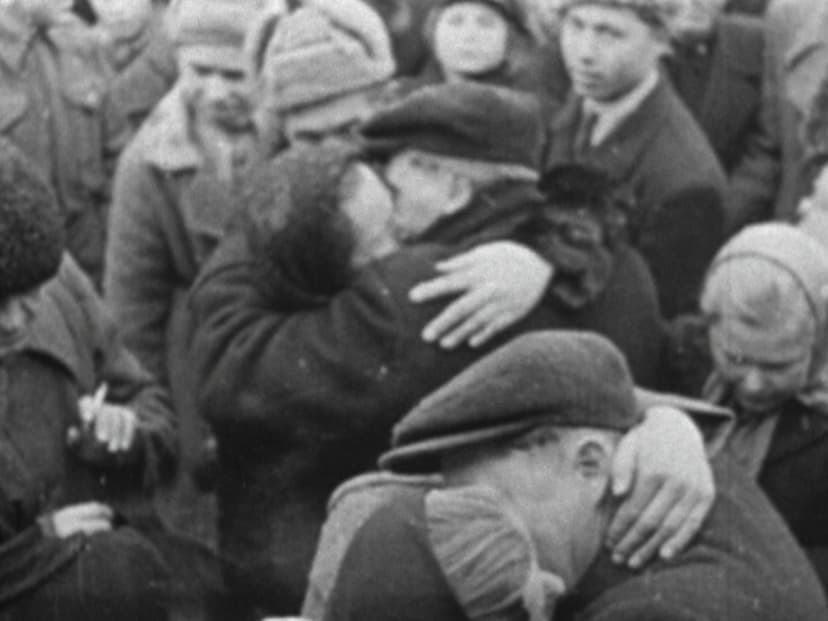
S1 • E25
As wretched survivours suffer deprivations amongst the ruins, half of Germany and eastern Europe trade one socialist tyranny for another as the Soviets take power. Japan is occupied by the U. S., but the colonial empires disintegrate.
S1 • E26
For many the Second World War was the most significant experience of their lives. These are heartbreaking first hand remembrances from a vast array of survivors from both sides of the war.


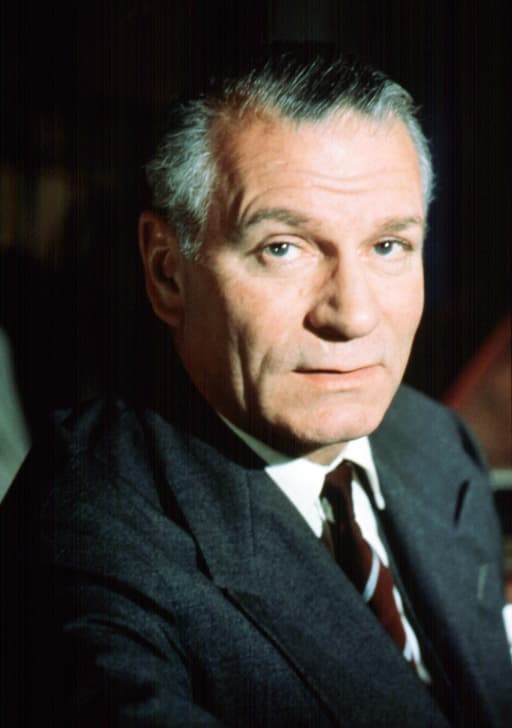
Self - Narrator
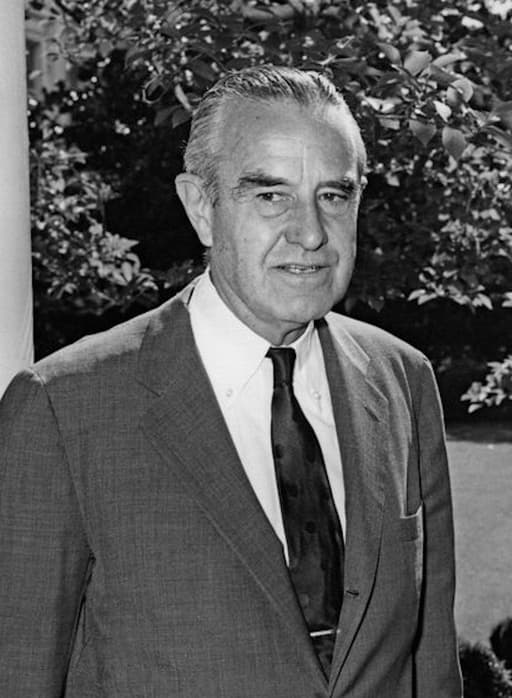
Self - U.S. Ambassador to Moscow 1945
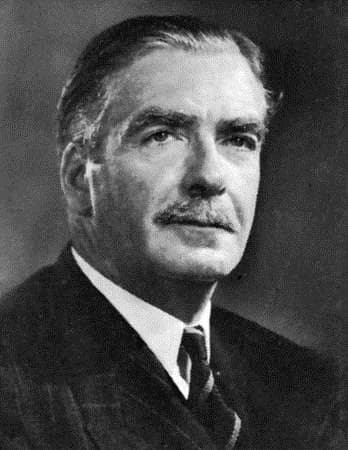
Self - British Foreign Secretary
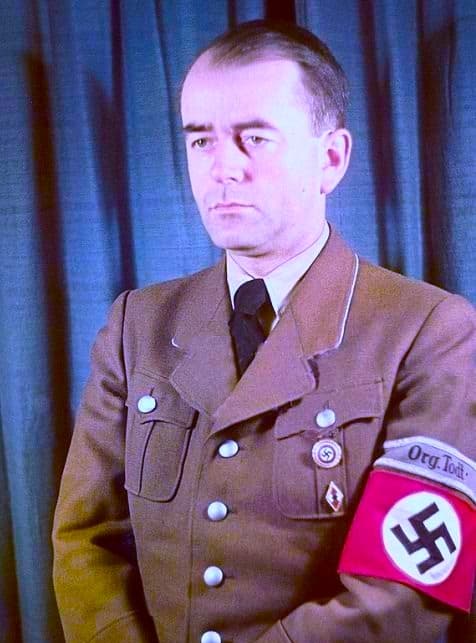
Self

Self - Kesselring's Chief of Staff
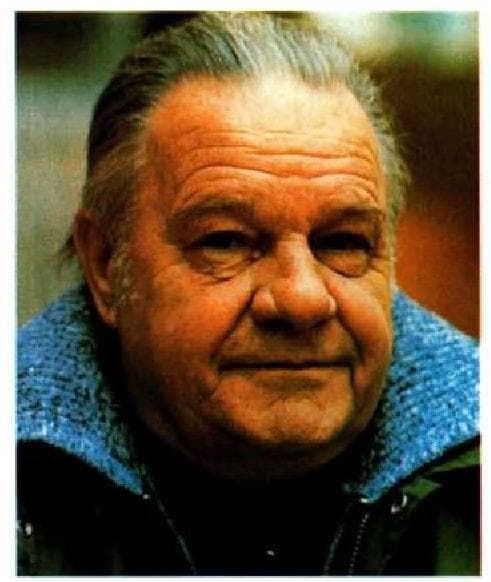
Self - British Foreign Service
Self - War Correspondent
Self - Supreme Commander, S.E.Asia
Self - Commanding General, 25th Infantry Division at Guadalcanal
Self - Cabinet Secretariat